


European leaders have issued a joint statement after President Trump threatened to impose sweeping tariffs on key allies unless they agree to negotiations over U.S. control of Greenland, an autonomous territory within the Kingdom of Denmark.
The diplomatic flare-up erupted after Trump said Saturday that the United States would pursue the purchase of Greenland and penalize countries opposing that goal with trade measures. He later announced plans to impose a 10 percent tariff on imports from eight European countries beginning Feb. 1, with the rate rising to 25 percent on June 1, remaining in effect “until such time as a Deal is reached for the Complete and Total purchase of Greenland.”
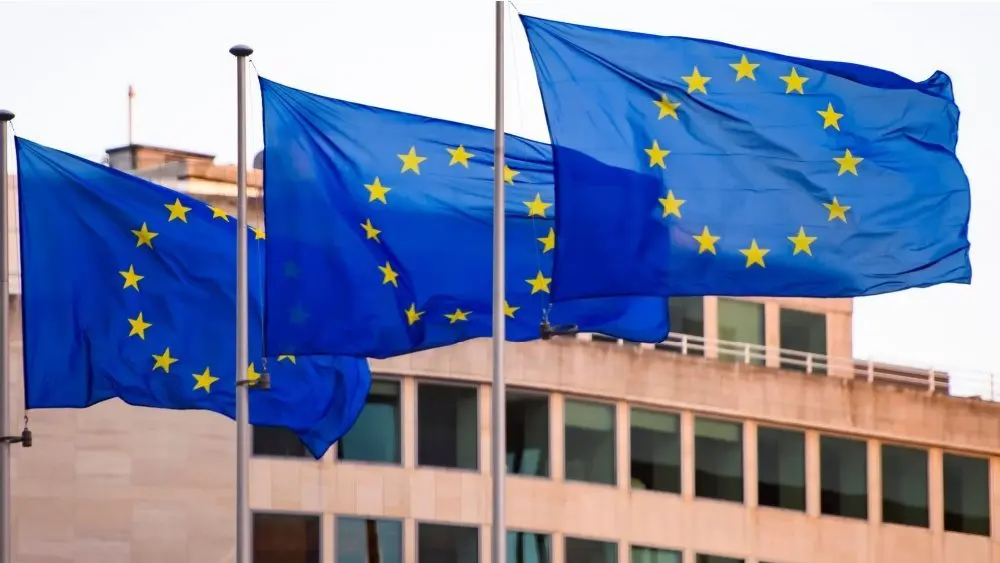
The tariff threat targets Denmark, Finland, France, Germany, the Netherlands, Norway, Sweden and the United Kingdom. All eight nations issued a rare joint statement condemning the move, warning that the proposed measures “undermine transatlantic relations and risk a dangerous downward spiral.” The leaders said they stood in “full solidarity” with Denmark and Greenland and reaffirmed their commitment to sovereignty and territorial integrity.
The statement followed the recent deployment of small numbers of European troops to Greenland as part of a Danish-led NATO exercise known as Arctic Endurance. European leaders stressed the operation was defensive and coordinated among allies. “As members of NATO, we are committed to strengthening Arctic security as a shared transatlantic interest,” the statement said, adding that the exercise “poses no threat to anyone.”
European Council President António Costa said late Sunday that the leaders of the European Union’s 27 member states will convene an extraordinary meeting “in the coming days” to address the escalating dispute. EU officials indicated the in-person summit is expected to take place Thursday, Jan. 22, following emergency consultations among EU ambassadors in Brussels.
The response from European capitals has been unusually blunt. British Prime Minister Keir Starmer criticized the use of trade pressure against allies, with his office saying he told Trump directly that “Applying tariffs on allies for pursuing the collective security of Nato allies is wrong.” Swedish Prime Minister Ulf Kristersson said Sweden would not be “blackmailed,” while Norway’s leader warned that “threats have no place among allies.”
Danish Prime Minister Mette Frederiksen welcomed the show of unity, saying, “I am pleased with the consistent messages from the rest of the continent: Europe will not be blackmailed.” Denmark’s foreign minister, Lars Løkke Rasmussen, said Copenhagen would continue dialogue with Washington in hopes of persuading Trump to abandon his ambitions regarding Greenland.
France signaled it may consider retaliatory tools if the dispute escalates. A French official close to Foreign Minister Jean-Noël Barrot said Paris had activated its diplomatic network “to coordinate a European response to the new, unacceptable tariff threats issued by President Trump,” including discussions about the possible use of the EU’s Anti-Coercion Instrument. President Emmanuel Macron publicly suggested the mechanism could be an option if negotiations fail.
The issue has also drawn sharp reactions beyond Europe. EU foreign policy chief Kaja Kallas warned that internal divisions would benefit China and Russia, writing that “If Greenland’s security is at risk, we can address this inside NATO. Tariffs risk making Europe and the United States poorer and undermine our shared prosperity.”
Even some of Trump’s ideological allies abroad have expressed unease. Italian Prime Minister Giorgia Meloni called the tariff plan “a mistake,” and France’s far-right National Rally leader Jordan Bardella described the move as “commercial blackmail.” In Britain, criticism of the proposal united parties across the political spectrum, including the right-wing Reform UK.
The response from the European Union came following weeks of increasingly forceful U.S. rhetoric on Greenland, which Trump has repeatedly described as strategically vital due to its location and mineral resources. Danish and Greenlandic officials have consistently rejected the idea that the territory is for sale, a stance reiterated in recent talks with U.S. Secretary of State Marco Rubio.
Editorial credit: paparazzza / Shutterstock.com